



Blog
At A Touch of Claridy, we are dedicated to helping you achieve your beauty goals while providing you with a rejuvenating experience that transcends traditional skincare. Join us on this journey to unveil your inner and outer radiance. Experience the magic of body and face contouring in the heart of Indianapolis.
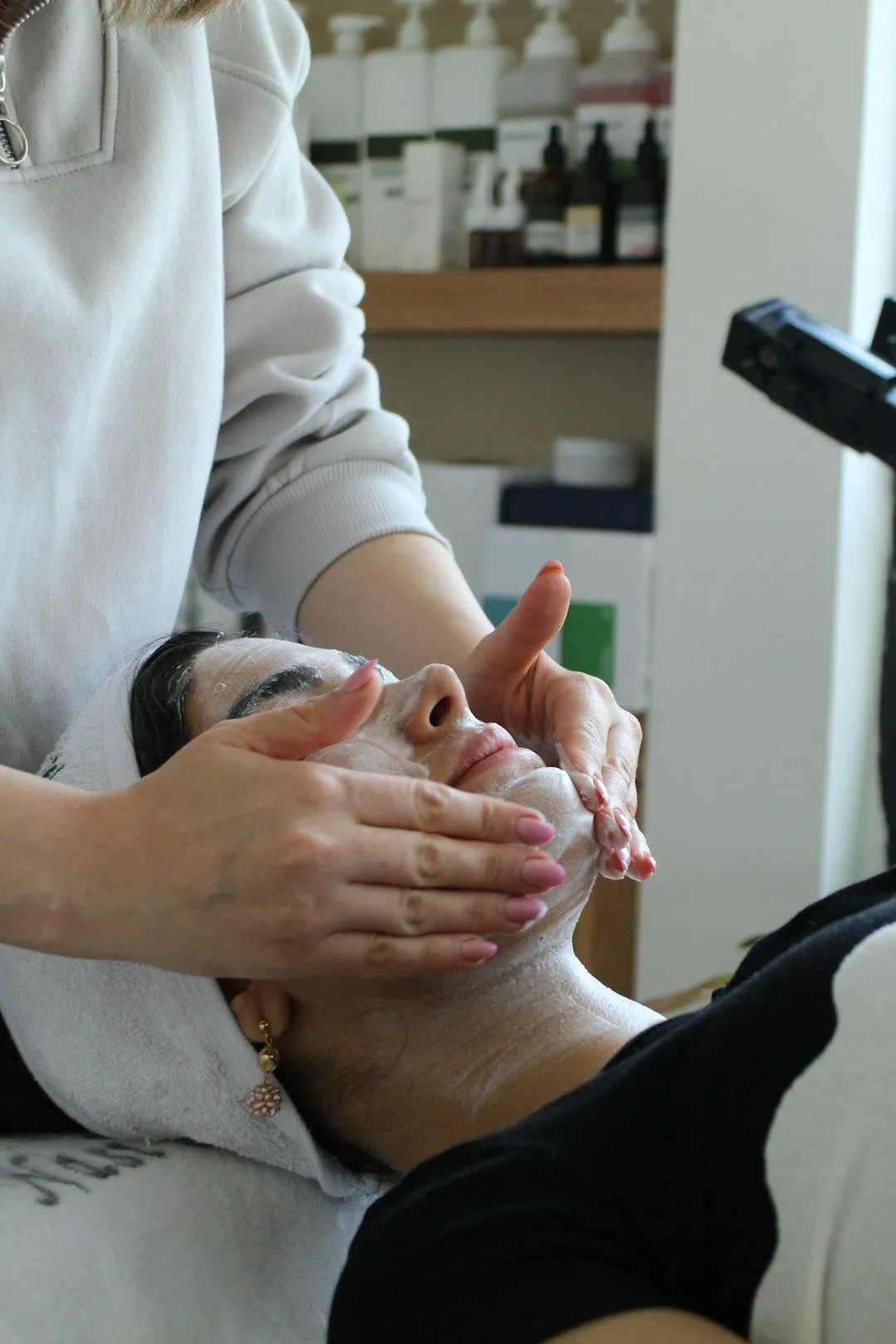
How to Reduce Wrinkles Naturally: A Greenwood Guide
You catch your reflection in the bathroom mirror, and the lines look a little different today. Maybe it’s a crease across the forehead that seems to linger after you stop raising your brows. Maybe it’s the corners of the eyes looking less springy than they used to. A single wrinkle rarely causes panic. The panic often arises from not knowing what helps.
That’s where natural wrinkle reduction gets confusing. One person says to buy an oil. Another says you need injectables. Someone else tells you to drink more water and sleep on your back. The truth sits in the middle. Some natural strategies are absolutely worth your time, especially when they support skin barrier function, elasticity, hydration, and daily repair. Others are nice extras, not game changers.
As an esthetician in Greenwood, Indiana, I’m a big believer in realistic, healthy age management. You do not need to erase every line to look refreshed. You do need a plan that respects how skin ages. For many clients around Greenwood and the Indianapolis area, the sweet spot is a mix of smart home care, a few evidence-backed ingredients, better lifestyle habits, and non-invasive treatments when you’re ready for more support.
How to Reduce Wrinkles Naturally: A Greenwood Guide
Embracing Your Skin's Story and Learning to Rewrite It
A lot of women first bring this up casually. They’ll say, “I’m not trying to look twenty. I just want to look less tired.” That’s a smart goal. Wrinkle care works better when the target is healthier, stronger skin instead of chasing a frozen look.
Wrinkles don’t show up for just one reason. Repeated facial movement, dry skin, sleep position, environmental stress, and collagen changes all leave their mark in different ways. That’s why one miracle product usually disappoints. Skin responds best when you support it from more than one angle.
In practice, I see two common mistakes. The first is doing nothing until lines feel deep and stubborn. The second is jumping into aggressive products too fast and ending up irritated, flaky, and frustrated.
Natural wrinkle reduction works best when you think in layers: protect, hydrate, strengthen, then stimulate.
If you’re in Greenwood or the Indianapolis area and you want natural-looking results, start with this mindset. Fine lines that are mostly dehydration-related can soften with the right routine. Expression lines may need muscle retraining and better sleep habits. More established wrinkles often respond best to home care plus professional corrective skincare.
Here’s the encouraging part. You don’t have to choose between “all natural” and “real results.” You can use evidence-backed ingredients, cleaner habits, and non-invasive treatments that help skin look smoother, firmer, and more awake without surgery or injectables.
Your Foundational Daily Routine for Ageless Skin
A solid routine isn’t glamorous, but it’s what keeps every other anti-aging step from falling apart. If your skin barrier is irritated, dry, or constantly over-cleansed, even good products won’t perform the way you want.

Keep your barrier calm and clean
Cleanse like you want to keep your skin, not strip it. Use a gentle cleanser morning and night, and avoid scrubbing with pressure or washing with hot water. Tight, squeaky skin after cleansing is not a sign that it’s clean. It’s usually a sign that your barrier is getting pushed too hard.
A few routine rules matter more than fancy packaging:
Wash with lukewarm water: Heat can leave skin feeling drier and more reactive.
Use soft pressure only: Tugging around the eyes and mouth adds unnecessary stress.
Keep exfoliation moderate: If your skin stays red or stings, you’re likely overdoing it.
Moisturize with ingredients that actually help
One of the most practical ways to reduce wrinkles naturally is to keep skin consistently hydrated. Dry skin makes lines look sharper. Humectants help draw water into the skin, which is why ingredient lists matter.
A 2023 clinical trial on 20% glycerol moisturizer showed that using it twice daily for 4 months reduced crow’s feet visibility by -0.67 grades and increased skin elasticity by +1.00 degree. That matters because glycerol is not a trendy ingredient. It’s a dependable one.
When you shop for a moisturizer, look for formulas built around humectants and barrier support. If your skin is dry, apply moisturizer while skin is still slightly damp. If your skin is sensitive, simpler formulas often work better than products packed with fragrance or too many actives at once.
Practical rule: If your moisturizer feels good for ten minutes but your skin feels dry again an hour later, it’s probably not doing enough.
For a quick visual breakdown of good cleansing and basic care, this video is helpful:
Make daily sun protection non-negotiable
If you want to know how to reduce wrinkles naturally, daily SPF belongs at the top of the list. Natural oils, masks, massage, and treatments all work better when you stop inviting daily UV damage back onto the skin.
Use broad-spectrum sunscreen every morning, even when the day looks gray. Reapply if you’re outdoors for extended periods. In clinic, I’ve seen beautifully chosen serums get undone by inconsistent sun protection.
A basic routine that works for many people looks like this:
Time Step What matters Morning Gentle cleanse Keep barrier intact Morning Moisturizer Support hydration and softness Morning Broad-spectrum SPF Help prevent new visible aging Evening Gentle cleanse Remove buildup without stripping Evening Moisturizer or targeted treatment Support overnight recovery
If your current routine feels chaotic, simplify first. Consistency beats complexity every time.
Power Up Your Skincare with Natural Anti-Aging Actives
Once the basics are steady, targeted natural ingredients can do more than just make skin feel nice. The best ones support elasticity, hydration, and repair. The key is using ingredients with a believable role, not chasing every botanical that shows up in a pretty bottle.

Argan oil earns its place
Argan oil is one of the few natural oils that has real support behind it for wrinkle care. A 2015 study on argan oil and skin elasticity confirmed that both consuming and topically applying argan oil significantly improved skin elasticity, which helps explain why it’s long been used to soften the appearance of wrinkles.
That doesn’t mean everyone needs to slather on a heavy oil twice a day. It means argan oil can be useful when your skin is dry, depleted, or lacking suppleness. I tend to like it at night, pressed lightly over moisturizer or blended into a routine that already focuses on barrier repair.
Good ways to use it:
As a finishing layer: Press in a few drops after moisturizer to help reduce moisture loss.
On drier zones only: Forehead, cheeks, and around the mouth often need more support than the T-zone.
In a regenerative routine: Pairing good home care with treatments such as AnteAGE microchanneling makes more sense than relying on oil alone.
Aloe works best when you use it thoughtfully
Aloe vera gets recommended so often that people forget it can be useful when chosen well. The Healthline wrinkle remedy summary describes a 2020 clinical trial in which a combination of oral and topical aloe vera reduced wrinkle depth by 28% and improved skin moisture by 35% in 12 weeks.
That combined approach is the interesting part. Topical aloe can soothe and hydrate the skin surface. Internal support may help from another angle. If you have sensitive skin, aloe can be one of the gentler starting points, but purity matters. Look for straightforward formulas with fewer unnecessary additives.
How to choose without getting distracted by labels
You do not need a shelf full of “clean beauty” products to get results. You need a small group of products that make sense together.
Use this decision filter:
If skin feels tight and papery: prioritize humectants and a nourishing moisturizer.
If lines look worse by evening: check for dehydration and inconsistent SPF use first.
If skin is sensitive: introduce one active at a time and patch test.
If a product promises everything: skip the promise and inspect the ingredient list.
Natural actives can absolutely support wrinkle reduction. They just work best when they’re part of a routine, not treated like magic.
The Lifestyle Connection How Diet and Sleep Impact Wrinkles

You can follow a good skincare routine and still feel like your face looks more tired after a week of poor sleep, rushed meals, and constant dehydration. I see that pattern all the time in the treatment room. Skin reflects daily strain faster than many people realize.
What you eat affects what your skin can build
Clients often ask me whether collagen powder is hype or useful. The honest answer is more nuanced than the marketing. Oral collagen is not a substitute for sunscreen, topical actives, or professional care, but it can support skin from the inside if the rest of the routine makes sense.
A 2024 systematic review and meta-analysis on hydrolyzed collagen supplementation found improvements in skin hydration and elasticity across randomized controlled trials. That lines up with what I tell clients in Greenwood and around Indianapolis. Internal support matters most when it fills a gap, not when it gets used as a shortcut.
Food-first habits still deserve more attention than supplements:
Protein at regular meals: amino acids are the raw materials your skin uses for repair.
Vitamin C rich produce: this supports normal collagen formation.
Omega-3 and other healthy fats: these help support barrier function and comfort.
Steady hydration: skin often looks rougher and finer lines read more strongly when you are dried out.
If someone is spending heavily on trendy creams but skipping meals, under-eating protein, and living on coffee, I would fix those habits before adding another serum.
Sleep habits can deepen or soften the look of lines
Sleep is repair time for skin, but position and friction matter too. Side sleeping and stomach sleeping press the same areas of the face into folds night after night. Over time, that repeated compression can make cheek, chest, and chin creasing more noticeable, especially in thinner or drier skin.
The practical answer is not forcing yourself into perfect back sleeping by tonight. That usually fails. Better results come from reducing pressure where you can and improving what happens during the hours your skin is recovering.
A few adjustments make sense for many side sleepers:
Use a smoother pillowcase: less drag can mean less friction on the skin.
Check your pillow height: better neck support can reduce how hard the face presses into the pillow.
Run a humidifier if your room is dry: heated or air-conditioned bedrooms can leave skin tight by morning.
Work on oral and facial resting patterns: clenched jaws, pursed lips, and compressed cheeks can add to creasing over time.
For clients who want a home-based way to address some of those mechanical habits, I sometimes recommend Orofacial Myofunctional Therapy with OraLift support as part of a broader age-management plan. It fits the same philosophy we use at A Touch of Claridy. Start with what you can do at home, then add non-invasive professional care when you want stronger, still-natural results.
A simple lifestyle focus that pays off
Lifestyle changes help because they lower the daily stress load on the skin. They do not need to be extreme to be useful.
Lifestyle area Helpful focus Common mistake Diet Regular protein, colorful produce, healthy fats Skipping meals and expecting skincare to make up for it Hydration Consistent fluids through the day Waiting until skin already feels depleted Sleep Reduce friction and facial compression Assuming sleep position has no effect Stress habits Relax the jaw, brow, and mouth during the day Clenching without noticing it
Small corrections add up. In my experience, the clients who get the most natural-looking improvement usually combine smart home habits with targeted professional treatments instead of relying on one approach to do all the work.
Next-Level Home Care with Facial Muscle Retraining
Creams help the skin surface. Muscle retraining addresses movement patterns underneath that surface. That’s a different job, and for some faces, it makes a visible difference.

Why expression patterns matter
Some wrinkles start as movement. Repeated squinting, brow lifting, lip tension, and side-sleep compression can turn temporary creases into lines that hang around. If you only use moisturizers, you may improve softness without changing the mechanical habit that keeps re-etching the area.
That’s where facial massage, release work, and guided muscle retraining come in. They won’t replace a full professional treatment plan, but they can support circulation, reduce excess tension, and help you become aware of patterns you didn’t realize you had.
A helpful home routine might include:
Forehead release: gentle upward smoothing, not aggressive rubbing.
Jaw relaxation: especially for clenchers and grinders.
Cheek and mouth support: useful if you collapse into one side while sleeping.
Consistency: brief regular practice beats occasional overwork.
What at-home microcurrent can and can't do
At-home microcurrent is one of the more interesting tools for people who want natural-looking support without needles. Used correctly, it can complement facial muscle retraining by helping stimulate muscles and encouraging a firmer, more lifted appearance over time.
What it can do well is support tone and routine consistency. What it can’t do is replace sleep, daily SPF, hydration, or professional treatment depth.
For people curious about oral and facial structural support, Oralift guidance is one option to explore as part of a broader age-management plan. The bigger point is that home devices should fit into a strategy. They shouldn’t be random gadgets that collect dust after a week.
Gentle, repeated input changes more than occasional intensity.
If your wrinkles are strongly tied to movement, compression, or asymmetry, muscle retraining often makes more sense than buying another oil.
Elevate Your Results with Professional Corrective Skincare
A lot of clients reach this stage the same way. They’re doing the right things at home, their skin feels healthier, but the lines around the eyes, the crease between the brows, or the overall slackness in the lower face still are not shifting much. That usually means the issue is no longer just surface dryness or routine inconsistency. It often involves collagen loss, repeated muscle movement, slower renewal, or textural damage that needs more targeted treatment.
When home care stops being enough
Professional corrective skincare makes sense when your skin responds temporarily but not steadily. A mask may plump things for a day. A good serum may improve comfort and glow. But if deeper wrinkles, uneven pigment, acne scarring, or loss of firmness keep returning to the same baseline, home care is supporting the skin more than correcting it.
I see this often in Greenwood and across the Indianapolis area. Two people can have the same forehead line and need completely different treatment plans. One needs barrier repair and gentle exfoliation. Another needs muscle re-education with microcurrent. A third may need collagen-focused treatment because the skin has thinned and folded in the same place for years.
That distinction matters.
How professional treatments support natural-looking results
Natural wrinkle care does not have to stop at oils, masks, or facial massage. In practice, the best results usually come from pairing consistent home care with non-invasive professional work that reaches deeper layers and addresses the reason the wrinkle formed in the first place.
Treatment options may include:
Microcurrent: supports facial muscle activity and can improve the look of sagging or flattening over time.
Cold plasma facials: used to refine texture and support skin renewal with little downtime.
Microchanneling: creates controlled stimulation that can improve the appearance of lines, acne scars, and rough texture.
LED support: often added to calm the skin and support recovery after corrective services.
For clients exploring corrective facials in Indianapolis, the goal is not to copy what works for someone else. The goal is to match the treatment to your skin behavior, your tolerance, and your timeline.
At A Touch of Claridy, I use that approach every day. A person who wants gradual, natural-looking improvement without injectables usually needs a series, not a single appointment. That is the trade-off. Results tend to look more like your face, just healthier and more supported, but they also require consistency and a plan.
Professional care is often the missing middle. It bridges the gap between what you can do faithfully at home and the visible changes that need more precise corrective work.
Frequently Asked Questions About Natural Wrinkle Reduction
How long does it take to see results from natural wrinkle care
It depends on what’s causing the lines. Dehydration-related fine lines may look softer fairly quickly once you cleanse gently, moisturize well, and protect the skin daily. Lines tied to long-term movement, sun exposure, or skin laxity usually take longer and often respond best to a combination of home care and professional treatments.
Are natural remedies safe for sensitive skin
Some are, and some aren’t. “Natural” doesn’t automatically mean non-irritating. Essential oils, fragrance, rough scrubs, and overuse of even gentle ingredients can still trigger reactive skin. If you’re sensitive, patch test first, add one new product at a time, and keep the routine simple enough that you can tell what your skin is responding to.
Can I combine natural methods with professional treatments
Yes, and that’s often the most practical route. Home care supports the skin every day. Professional treatments do the deeper corrective work that’s harder to create at home. The combination usually feels more balanced than relying on either one alone.
What usually doesn't work well
A few things tend to disappoint people:
Overcomplicated routines: too many products often lead to irritation.
Harsh scrubbing: it won’t smooth wrinkles, and it can inflame the skin.
Inconsistent use: even strong products can’t help much if they’re used randomly.
Miracle claims: wrinkle care is usually gradual, not instant.
Is it too early to start if I only have fine lines
No. Preventive care is often easier than correction later. If you’ve started noticing faint lines, that’s a good time to improve hydration, protect from sun exposure, and clean up habits that stress the skin. Starting early doesn’t mean doing the most. It means doing the right things consistently.
If you’re ready for a plan that feels natural, corrective, and realistic, book a consultation with A Touch of Claridy. Clara works with clients in Greenwood, Indianapolis, and nearby communities who want smoother, healthier-looking skin without surgery or injectables. A thoughtful routine at home can do a lot. A personalized treatment plan can take it further.
Meta Title: How to Reduce Wrinkles Naturally in Greenwood, IN | A Touch of Claridy
Meta Description: Learn how to reduce wrinkles naturally with science-backed skincare, lifestyle tips, and non-invasive treatments in Greenwood and Indianapolis. Practical guidance from Clara at A Touch of Claridy.
Internal linking suggestions:
Link “microcurrent facial benefits” to the studio’s microcurrent service page
Link “cold plasma skin rejuvenation” to the cold plasma service page
Link “microchanneling for wrinkles and acne scars” to the AnteAGE page
Link “preventive skincare routine” to a related blog post on daily anti-aging habits
Link “sensitive skin facial options in Indianapolis” to a relevant service or blog page


At A Touch of Claridy, skincare is rooted in a holistic belief that skin can regenerate, renew, and thrive at any age when supported with the right technology and care.
Company
Legal
Contact Us
Copyright 2026. A Touch of Claridy. All Rights Reserved.