



Blog
At A Touch of Claridy, we are dedicated to helping you achieve your beauty goals while providing you with a rejuvenating experience that transcends traditional skincare. Join us on this journey to unveil your inner and outer radiance. Experience the magic of body and face contouring in the heart of Indianapolis.
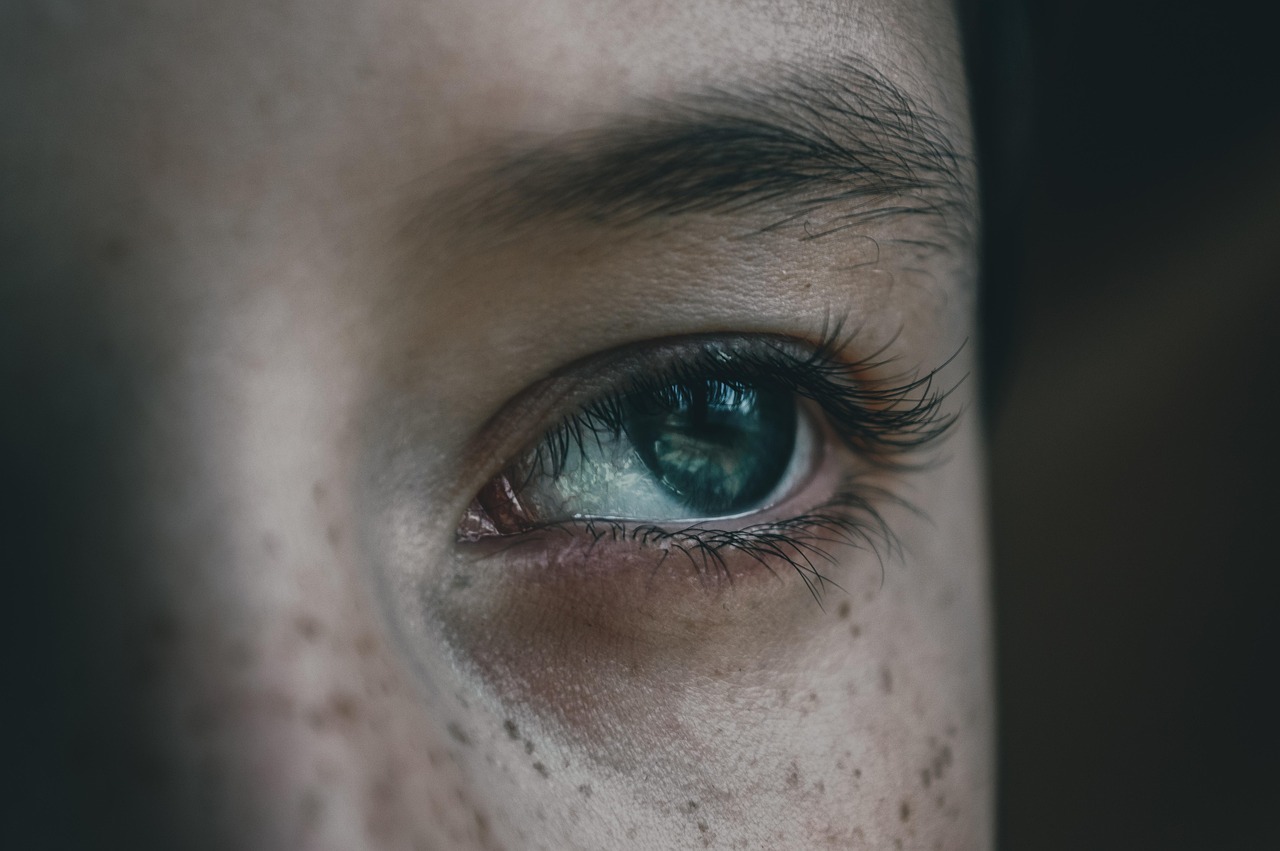
PDGF Under Eye Treatment: Rejuvenate Dark Circles Naturally
PDGF Under Eye Treatment: Rejuvenate Dark Circles Naturally
Some mornings, the under-eye area tells a story you didn’t approve. You slept. You hydrated. You used the eye cream. Yet the mirror still shows shadows, crepey skin, or that hollow, tired look that makeup only partly softens.
That frustration is usually what brings people to regenerative skincare. They’re not looking for a dramatic change. They want to look more rested, smoother, and brighter without looking filled, frozen, or overdone. That’s where pdgf under eye treatment has become so interesting for clients in Greenwood, Indiana and the greater Indianapolis area.
PDGF is not another cosmetic shortcut. It’s a regenerative approach that supports your skin’s own repair process, which matters most in the delicate under-eye area where skin is thin and age shows quickly. For the right person, it can be a smarter option than chasing temporary fixes that don’t address skin quality at all.
Tired of Looking Tired? There Is a Better Way
A lot of under-eye frustration starts the same way. Someone notices that concealer is settling more than it used to. The skin looks thinner. Fine lines show up faster. Friends ask if they’re tired when they feel fine.
That’s the point where many people start cycling through eye creams, cooling patches, caffeine serums, and brightening tricks. Some help with temporary hydration. Very few change the structure of under-eye skin in a meaningful way.

Why the under-eye area is so stubborn
The under-eye area ages differently from the rest of the face because it has less margin for error. When skin gets thinner, everything underneath becomes more visible. That can make darkness, texture, and crepiness look worse, even if the issue isn’t true pigmentation.
A lot of clients are told they need filler right away. Sometimes filler is appropriate. Sometimes it isn’t. If the bigger issue is fragile, crepey skin, adding volume alone may not give the refreshed look they hoped for.
Practical rule: If the under-eye problem is mostly skin quality, a regenerative plan usually makes more sense than a purely volumizing one.
A regenerative approach makes more sense
That’s why pdgf under eye treatment has gained attention. Instead of trying to mask the area, it supports repair. The goal is to help the skin behave more like healthier skin again by improving texture, resilience, and visible thinness over time.
For clients around Greenwood and Indianapolis who want non-invasive anti-aging options, this matters. They want a treatment that fits real life. Minimal downtime. Natural-looking change. No obvious “I had work done” effect.
In practice, PDGF works best when it’s part of a corrective skincare plan, not a one-off trend treatment. The under-eye area responds especially well when regenerative ingredients are paired with the right delivery method and realistic expectations.
What Is PDGF and Why Does It Matter for Your Eyes
PDGF stands for platelet-derived growth factor. The simplest way to understand it is this. It’s a repair signal.
Imagine a foreman on a construction site. The foreman doesn’t build the house alone. The foreman tells the right workers where to go and what to do. In skin, PDGF helps direct fibroblasts, which are the cells that help build collagen, elastin, and your skin’s own hyaluronic acid.

Your skin needs signaling, not just moisture
This is why a standard eye cream often falls short. Moisture can make the area look better temporarily. But hydration alone doesn’t tell the skin to rebuild.
Under the eyes, that distinction matters because the skin is delicate and visibly reactive. If the goal is smoother, thicker, less crepey-looking skin, the skin needs more than surface support. It needs biological signaling that encourages repair.
That’s one reason providers pair PDGF with controlled treatments that create access points into the skin. If you’re curious how regenerative signaling fits into advanced skin renewal, AnteAGE technology and growth factor-based care is part of that conversation.
Why purified PDGF stands out
Lab-purified PDGF is different from traditional PRP because it’s standardized and more consistent. According to this discussion of Ariessence PDGF and under-eye regeneration, lab-purified PDGF is over 1,000 times more potent than patient-derived PRP in stimulating fibroblasts, and this targeted activation can lead to up to 20 to 30% skin thickening in dermal density within 6 to 8 weeks.
That’s a meaningful distinction in the under-eye area, where even modest structural improvement can change how translucent and crepey the skin appears.
Here’s the practical takeaway:
PRP depends on the person: Blood-based treatments vary from client to client.
Purified PDGF is standardized: You’re not relying on how concentrated someone’s own platelets happen to be that day.
The goal is regeneration: This isn’t about puffing up the area. It’s about improving the tissue itself.
A short overview can help make the concept more visual:
Healthy under-eyes don’t just look fuller. They look smoother, less papery, and less shadowed because the skin itself is stronger.
Advanced PDGF Treatment Methods We Use
A client comes in saying, “I do not want filler, and I do not want to look worse for a week.” That is exactly the under-eye conversation I have every day. The answer is usually not one aggressive procedure. It is a well-sequenced plan that improves how this thin skin repairs itself.
PDGF gives us that option, but technique matters. Applying a regenerative serum onto intact under-eye skin is very different from placing it into freshly created channels where the skin can utilize those signals.
Microchanneling creates access
In our treatment room, one of the smartest ways to use PDGF or even human derived growth factor like AnteAGE under the eyes is to pair it with microchanneling. Controlled microchannels create a temporary delivery route, which helps the growth factors contact the tissue layers involved in repair.
That matters because the under-eye area is delicate and selective. Closed skin is supposed to keep things out. Clients who try to self-treat at home often use good products in the wrong setting, then assume the formula failed. In many cases, the barrier did its job.
Microchanneling also gives us control. Depth, pattern, and treatment spacing can be adjusted based on whether the main issue is crepey texture, early thinning, or a tired, papery look.
Why we combine PDGF with other non-invasive modalities
Under-eye aging is rarely one-dimensional. One client has fragile-looking skin and fine lines. Another has lingering dullness and slow recovery after past treatments. A third wants collagen support but cannot afford the downtime or heat of a more aggressive option.
That is why we often build PDGF into a combination plan instead of treating it like a stand-alone fix.
Our protocols may include:
Microchanneling to create the delivery pathway
Cold plasma to support a cleaner treatment environment and encourage better skin recovery
LED to calm post-treatment inflammation and reduce the “worked on” look
PDGF to support the signaling that helps skin rebuild with better texture and resilience
Each step has a job. The result is a treatment that feels more intentional and often performs better than using one modality in isolation.
A useful example comes from a split-face study on plasma technology for periocular rejuvenation, which reported improvement in infraorbital wrinkles and skin laxity after low-temperature plasma treatment around the eyes. That is one reason cold plasma interests me in under-eye plans. It is not replacing PDGF. It complements it by supporting skin renewal without the recovery profile many clients want to avoid.
At A Touch of Claridy in Greenwood, this layered approach is a big part of what sets our under-eye work apart. Many articles talk about PDGF as if the product alone does the heavy lifting. In practice, the best results usually come from pairing the right regenerative signal with the right delivery method and the right recovery support.
There is also a trade-off to respect. More intensity is not always better under the eyes. Overworking thin skin can leave clients irritated, dry, and discouraged. A smarter plan uses enough stimulation to prompt change, then gives the tissue the support it needs to recover well.
PDGF Compared to Other Under Eye Treatments
People usually don’t ask about PDGF in a vacuum. They’re comparing it with filler, laser, topical products, and PRP. That’s the right way to think about it, because each option solves a different problem.
PDGF is best understood as a skin quality treatment. It doesn’t replace every other category. It fills a gap that many clients have been missing.

Under-Eye Treatment Comparison
Treatment Mechanism Best For Key Risk Results PDGF Signals fibroblasts to support collagen, elastin, and skin repair Crepey texture, thin-looking skin, early under-eye aging, translucency-related darkness Not a direct volume replacement for significant hollows Gradual, natural-looking improvement in skin quality Dermal Fillers Adds hyaluronic acid volume under the skin Tear trough hollowing and structural volume loss Can look puffy or show discoloration if placed poorly Immediate volume change Laser Therapy Uses energy to resurface and stimulate renewal Texture, some pigmentation concerns, fine lines More recovery and sensitivity for some clients Improvement depends on skin type and treatment depth Topical Creams Works mostly at the surface with hydrators and active ingredients Mild dryness and early maintenance Often too limited for structural under-eye change Temporary or modest improvement Traditional PRP Uses the patient’s own blood-derived growth factors Clients who want an autologous regenerative option Variable potency from person to person Gradual improvement, but less standardized
If you’re also comparing broader collagen-stimulating options, microneedling in Indianapolis often comes up in the same conversation because it pairs well with regenerative topicals.
What works well and what disappoints people
Fillers can be excellent for true hollows. They’re fast. They create shape. But they don’t improve thin, papery skin on their own. That’s why some people get volume yet still feel tired-looking.
Botox has a place for dynamic wrinkles, but it isn’t the main answer for under-eye thinning or crepiness. It changes muscle activity. It does not rebuild tissue quality.
PRP appeals to people who want a treatment based on their own blood. That’s understandable. The trade-off is consistency. In the clinic, consistency matters. When you’re treating delicate under-eye skin, standardized signaling often makes planning easier and outcomes more predictable.
Topical creams help maintain results, not create major change. They’re support players.
The best under-eye treatment is the one that matches the actual cause. Hollowness needs a different plan than thin skin. Thin skin needs a different plan than pigment.
That is a key advantage of PDGF. It gives non-surgical clients an option between “just use eye cream” and “go straight to filler.”
Your PDGF Journey Timeline and Expected Results
A good pdgf under eye treatment experience should feel calm, clear, and very manageable. Most clients are relieved once they understand that the process is less dramatic than they expected.
This is not usually a treatment where you walk out looking radically different the same day. It’s a regenerative treatment. The visible shift builds.
What the appointment feels like
The first step is consultation. Under-eye darkness can come from different causes, including translucency, volume loss, or true pigment. If you don’t identify the source correctly, you can choose the wrong treatment and waste time.
During treatment, the skin is prepared and the chosen delivery method is performed with care around the delicate eye area. If microchanneling is part of the plan, individuals often find it tolerable and much easier than they feared. There may be temporary redness afterward, but the goal is usually minimal interruption to normal life.
A simple journey often looks like this:
Assessment: Look at texture, crepiness, shadowing, and skin behavior.
Procedure day: Perform the corrective treatment and apply PDGF in a targeted way.
Recovery: Keep aftercare simple, gentle, and consistent.
Rebuild phase: Let the skin do the work over the following weeks.
When results usually show up
Clients often want to know the exact day they’ll “see it.” Regenerative treatments don’t work like that. They usually show themselves in stages.
According to a Journal of Cosmetic Dermatology study on PRP for periorbital rejuvenation, patient satisfaction in PDGF-rich PRP studies was strong, with 81.8% reporting improvement in skin texture and 72.7% reporting improvement in skin homogeneity. For more potent, lab-purified PDGF+, visible improvements are typically seen within 3 to 8 weeks.
That timeline fits what clients tend to appreciate most. The under-eye area doesn’t suddenly look “done.” It starts looking less crinkled, less dull, and more rested.
A realistic progression often includes:
Early days: Mild post-treatment warmth or redness can happen depending on the procedure used.
First few weeks: The area may start looking smoother and better hydrated.
By the visible-results window: Texture, tone, and thin-skin appearance can look improved in a way that still looks like you.
People usually notice the under-eye area looks fresher before they can explain exactly why. That’s a good sign. Natural improvement should be hard to spot and easy to appreciate.
Is PDGF Under Eye Treatment Safe for You
You catch your reflection after a full night of sleep, and the under-eye area still looks thin, crepey, or worn out. That is usually the moment clients ask me the right question. Not "Does it work?" but "Is it safe enough for the eye area?"
That question matters.
PDGF under eye treatment can be a very good option for the right client because the goal is skin repair, not forced volume or aggressive injury. In practice, safety depends less on hype and more on three things. The condition of your skin, the delivery method, and the judgment of the practitioner using it.
A review in Frontiers in Medicine on platelet-derived growth factor in tissue repair describes PDGF as a well-studied growth factor involved in healing, cell signaling, and tissue remodeling. That history is one reason experienced practitioners pay attention to it. Around the eyes, where the skin is delicate and mistakes show quickly, I prefer treatments with a clear regenerative purpose and a conservative treatment plan.
Who tends to be a good fit
PDGF usually makes sense for clients whose main concern is skin quality, not dramatic structural change.
Good candidates often include people with:
Fine lines and crepey texture: Especially under makeup or in certain lighting.
Thin, fragile-looking under-eye skin: Where better tissue support can improve the overall look.
Early age-related change: Clients who want a non-invasive option before considering filler or surgery.
A preference for gradual, natural improvement: People who want to look more rested, not altered.
The best results often come from pairing PDGF with the right delivery method. At A Touch of Claridy in Greenwood, that may mean microchanneling for controlled product delivery, or cold plasma when barrier function, inflammation, or surface recovery need more support. Used well, those combinations can improve outcomes without making the treatment more aggressive than it needs to be.
When I would pause or redirect treatment
I do not treat every under-eye concern with PDGF.
I pause if there is active irritation, infection, broken skin, or a barrier that is already struggling. I also slow down with clients who are very reactive, recently over-treated, or dealing with inflammation from harsh home care. In those cases, calming the skin first usually leads to a safer and better result.
PDGF also has limits. If the main issue is significant hollowing, fat pad changes, or laxity that needs surgical correction, a regenerative topical approach will not replace the right medical referral. Good under-eye work starts with matching the treatment to the problem.
Safety also changes with technique. The under-eye area does not need a one-size-fits-all protocol. Depth, device choice, skin prep, and aftercare all matter. That is why I often prefer an integrated plan over a single trendy service. PDGF can perform well on its own, but in the right client, combining it thoughtfully with microchanneling or cold plasma often gives a smoother recovery and a more complete result.
The short version is simple. PDGF under eye treatment is generally a sensible non-invasive option for clients with texture, thinning, and early visible aging, as long as the skin is healthy enough to treat and the provider knows when to combine it, when to scale it back, and when to recommend something else.
Find Your PDGF Expert in Greenwood and Indianapolis
The biggest difference in pdgf under eye treatment results usually isn’t the trend itself. It’s the practitioner’s judgment. Under-eye skin is too delicate for guesswork and too visible for generic protocols.
Clients in Greenwood, Indianapolis, and nearby communities usually want the same thing. They want a provider who understands when PDGF is enough, when it should be paired with something else, and when a different path makes more sense.

Technique matters as much as the product
The under-eye area responds best to restraint and precision. A strong provider doesn’t just “offer PDGF.” They understand tissue behavior, barrier health, recovery, and combination planning.
That’s especially important with non-invasive modalities like microchanneling and cold plasma. These treatments can complement PDGF beautifully when the sequence is intentional. They can also disappoint if they’re chosen because they sound advanced rather than because they fit your skin.
Look for a provider who can clearly explain:
Why PDGF is being recommended
How it will be delivered
What it will and won’t fix
Whether another modality should be paired with it
How home care supports the result
Local clients want natural improvement
A notable projection for the market supports what many estheticians are already seeing in treatment rooms. According to this 2025 to 2026 trend discussion on PDGF therapy, lab-recombinant PDGF-BB topicals are projected to have grown 35% in major US markets as clients seek alternatives to fillers, and success depends on integration with modalities like microchanneling.
That local relevance matters. In the Indianapolis area, many clients want visible change without obvious intervention. They’re balancing work, family, events, photos, and recovery time. They don’t want to disappear for downtime. They want to look brighter and more polished in a way that still feels believable.
For that kind of client, regenerative under-eye care is often a better fit than jumping straight to aggressive correction. It leaves room for personalization and usually ages more gracefully because the focus is skin quality, not quick camouflage.
If you’re researching under-eye rejuvenation in Greenwood, Indiana, choose someone who treats the whole picture. Not just the circle. Not just the line. The whole tissue environment.
Internal linking ideas for related reading
If you’re building your treatment plan, these topics are useful next reads on your provider’s site:
Microchanneling and collagen induction
Cold plasma facial benefits
Microneedling aftercare
Non-invasive alternatives to under-eye filler
How to treat crepey skin around the eyes
Corrective skincare for sensitive or rosacea-prone skin
Meta title and meta description
Meta title: PDGF Under Eye Treatment in Greenwood IN | Natural Under-Eye Rejuvenation
Meta description: Learn how pdgf under eye treatment helps improve crepey skin, dark circles, and fine lines naturally. Discover non-invasive options in Greenwood and Indianapolis.
Frequently Asked Questions
Is PDGF under eye treatment the same as filler?
No. Filler adds volume. PDGF supports regeneration and improved skin quality. They solve different problems.
Does PDGF help dark circles?
It can help when darkness is related to thin, translucent skin and poor skin quality. It won’t be the right standalone answer for every cause of under-eye darkness.
How soon will I see results?
Visible improvements are typically seen within the 3 to 8 week window noted earlier in the article through the linked clinical discussion.
Is there downtime?
Most clients choose PDGF-based protocols because downtime is usually limited, especially when the treatment plan is non-invasive and professionally guided.
Can PDGF replace surgery?
No. It’s a non-surgical option for people who want skin quality improvement, subtle rejuvenation, and a more natural route before considering aggressive procedures.
If you’re ready to explore a personalized under-eye treatment plan, A Touch of Claridy offers advanced corrective skincare in Greenwood for clients throughout Indianapolis and Central Indiana. Clara combines regenerative options like PDGF with modalities such as microchanneling, cold plasma, LED, and microcurrent to create natural-looking results with minimal downtime. Book a consultation to find out whether pdgf under eye treatment is the right fit for your skin, your goals, and your timeline.


At A Touch of Claridy, skincare is rooted in a holistic belief that skin can regenerate, renew, and thrive at any age when supported with the right technology and care.
Company
Legal
Contact Us
Copyright 2026. A Touch of Claridy. All Rights Reserved.