




A Touch of Claridy
Discover Radiant Beauty at A Touch of Claridy Indianapolis
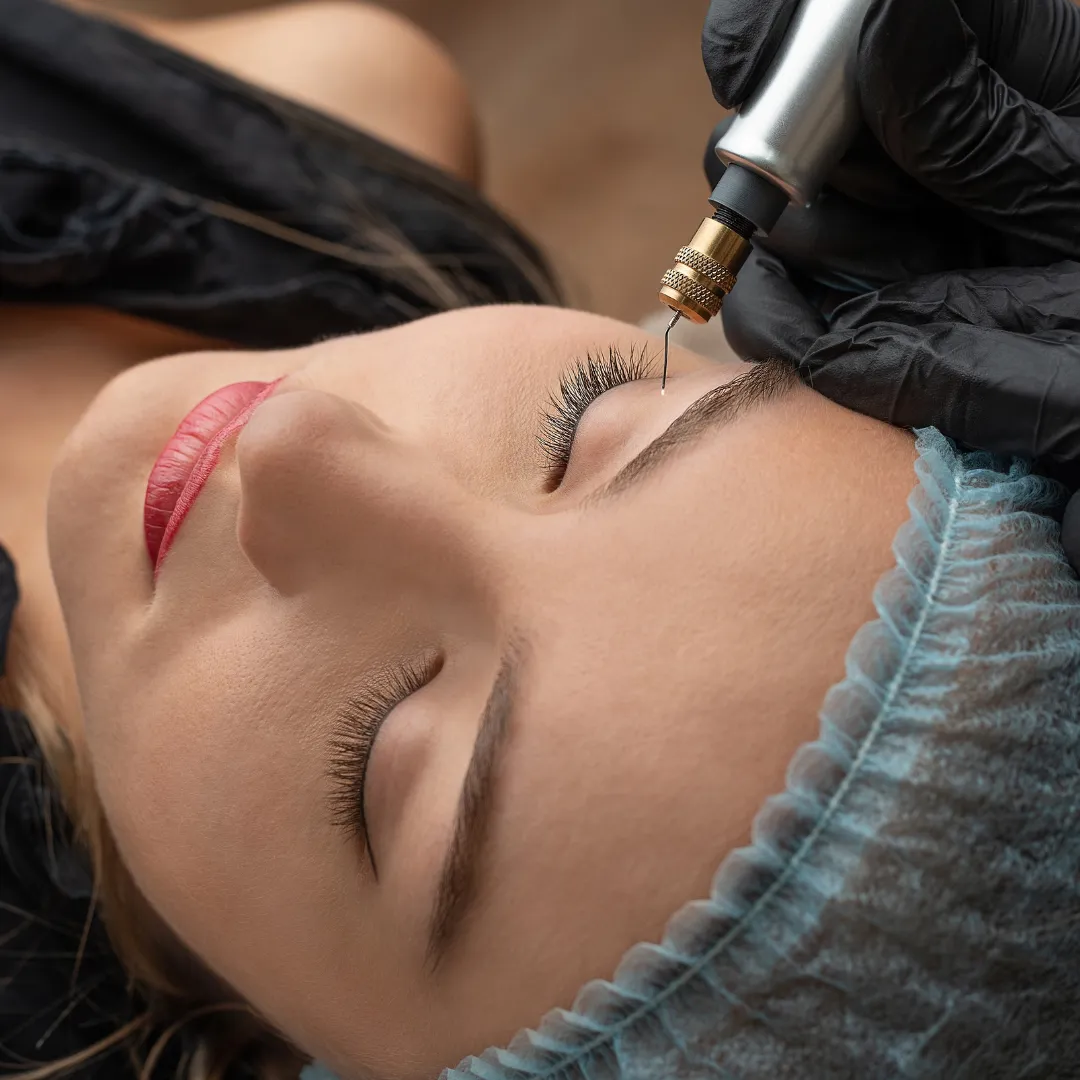
What is fibroblast skin tightening?
What Is Fibroblast Skin Tightening? Expert Care in 2026
You catch your reflection in daylight and notice it right away. The skin over your eyelids looks a little heavier. Your smile lines seem to stay put longer. The jawline you used to take for granted looks softer than it did a few years ago.
That's usually the moment people in Greenwood, Indiana and the Indianapolis area start searching for something effective, but not surgical. They want lift, smoother texture, and a fresher look without committing to surgery or relying on injectables alone. That's where questions about what is fibroblast skin tightening usually begin.
Fibroblast skin tightening, also called plasma fibroblast therapy, is a non-surgical treatment that uses controlled plasma energy to create tiny surface-level injuries in the skin. That process triggers repair, encourages fibroblast activity, and supports new collagen and elastin formation. In the right client, treated by a trained professional, it can create visible tightening and a more lifted appearance over time.
Searching for Firmer Skin Without Surgery?
If you've been comparing eyelid surgery, fillers, radio frequency treatments, and “skin tightening” facials, it's easy to feel pulled in five directions at once. Individuals aren't looking for more confusion. They want to know what will effectively help loose skin, what downtime looks like, and whether the results will still look like them.
Fibroblast therapy appeals to a very specific kind of client. Usually, it's someone who wants noticeable tightening without surgery, and who's willing to trade a short healing period for a regenerative result. It's often chosen for delicate or targeted areas where precision matters, such as the eyelids, around the mouth, or small zones of laxity on the neck.
What makes this treatment different is that it isn't trying to freeze movement or add volume. It's meant to encourage the skin to contract and remodel. That's a different goal, and it matters when you're deciding between treatments.
What people in Greenwood and Indianapolis are usually asking
Clients in the Indianapolis area often want answers to a few practical questions first:
Will it look natural? Yes, when the treatment plan matches the skin concern and the area is assessed carefully.
Is there downtime? Yes. Fibroblast is not a lunch-break facial.
Is it worth it for mild sagging? Often, yes. It tends to make the most sense for mild to moderate laxity rather than severe excess skin.
Can it replace surgery? Sometimes it can be a strong non-surgical option. It does not replace surgery in every case.
Practical rule: Fibroblast works best when the concern is skin laxity, not volume loss or deep structural aging.
That distinction saves people a lot of disappointment. If the main issue is hollowing, muscle movement, or significant skin excess, another treatment may be a better fit, or fibroblast may be part of a broader corrective plan instead of the whole answer.
How Fibroblast Skin Tightening Works The Science of Plasma
Fibroblast skin tightening sounds technical, but the process is easier to understand by picturing it as controlled shrink-wrapping for the skin. The treatment uses energy to create very small, intentional points on the surface, and those points trigger contraction and repair.

What the device is actually doing
A fibroblast device uses a high-frequency generator to ionize atmospheric nitrogen into plasma, creating a tiny arc above the skin rather than dragging across it. That controlled interaction creates micro-injuries that activate fibroblasts. According to Healthline's overview of plasma fibroblast treatment, this process can increase collagen synthesis by 200–400% within 4–8 weeks, with peak neocollagenesis at 6–12 weeks.
The treatment is precise. The device is used in a pattern, and each tiny point is placed intentionally. That's one reason provider technique matters so much. Placement, spacing, treatment depth, skin prep, and area selection all affect the final outcome.
If you've also been researching energy-based rejuvenation options, cold plasma facial treatments in Indianapolis are a separate category with a different treatment goal and a gentler recovery profile. Fibroblast is more corrective and more targeted.
Why the skin tightens after treatment
Two things happen after the plasma arc is applied.
First, there is an immediate contraction effect in the treated tissue. That's why some clients notice a tighter look early on, even before healing is complete.
Second, the skin begins a repair response. Fibroblasts are the cells involved in producing collagen and supporting skin structure. When they're stimulated appropriately, the skin gradually becomes firmer and smoother as healing unfolds.
This is also why fibroblast isn't a “surface-only” treatment, even though the visible marks sit on the upper layer during recovery. The visible dots are part of a deeper regenerative process.
What it does well
Targets small areas precisely such as upper eyelids, lines around the mouth, and focused laxity
Supports skin tightening rather than adding volume
Creates progressive improvement as collagen remodeling develops
What it does not do well
It doesn't replace volume restoration if the main issue is hollow cheeks or under-eye loss
It won't act like Botox because it does not relax muscle movement
It isn't ideal for every skin tone or every client, which is why consultation matters
Good fibroblast work is controlled, conservative, and mapped to the skin. More treatment is not automatically better treatment.
The Transformation Timeline What Results to Expect
Fibroblast asks for patience. In Greenwood and Indianapolis, I find that clients are often planning treatment around real life, work meetings, school events, family photos, or a weekend in Broad Ripple. That matters, because the skin can look worse before it looks better, and setting the timeline correctly is part of safe treatment planning.

What you may notice first
Right after treatment, the area often looks tighter, swollen, and marked with the small carbon crusts created during the procedure. Those dots are an expected part of healing.
The first several days are rarely the “result” stage. Around the eyes, mouth, or neck, swelling and redness can temporarily make the area look more dramatic than the final outcome. Clients who understand that early phase tend to feel much more comfortable during recovery.
According to the Cleveland Clinic overview of plasma skin resurfacing, skin improvement develops over time as new collagen forms during healing. That matches what we see in practice. Early contraction is one thing. Refined texture and firmer-looking skin take longer.
When the full results appear
Most of the visible progress comes in stages, not all at once. After the crusts shed, the skin usually still looks pink or slightly unsettled for a period of time. Then the area gradually starts to look smoother and more even as healing continues below the surface.
A practical timeline looks like this:
First few days: swelling, visible dots, tightness, and a healing response that can be very noticeable
After the crusts release: the skin looks cleaner, but still may appear pink, dry, or mildly reactive
Following weeks: texture and firmness continue to improve as collagen remodeling progresses
This is why I tell Indiana clients not to book fibroblast right before a wedding, reunion, or professional headshot. The treatment can deliver meaningful tightening, but it is not a same-week refresh.
For a visual overview of the treatment process and healing expectations, this short video is helpful before booking a consultation.
Clients who get the best fibroblast outcomes usually respect the timeline, protect the healing skin carefully, and judge results after remodeling has had time to develop.
Are You a Good Candidate for Fibroblast Therapy?
A good fibroblast candidate usually wants a noticeable tightening effect in one defined area and understands that treatment choice should be based on skin behavior, healing history, and safety, not just frustration with sagging skin. That matters here in Greenwood and Indianapolis, where clients often come in wanting something stronger than a facial treatment but without the downtime and expense of surgery.

In practice, fibroblast fits best for mild to moderate laxity. The strongest results usually come from smaller treatment zones where the skin needs targeted contraction, not full-face correction. I see the most appropriate consultations centered around upper lids, under-eye crepiness, vertical lip lines, sections of the neck, and select body areas with early looseness.
The Cleveland Clinic overview of plasma skin resurfacing notes that plasma-based treatments are used to improve concerns such as wrinkles, sun damage, loose skin, and uneven texture. That broad list is helpful, but candidacy still comes down to the person in front of you. Loose skin from aging behaves differently than postpartum abdominal skin, and both are different from volume loss in the cheeks.
Who usually does well
Clients tend to be better candidates when the goal is precise tightening, not lifting everything at once. Fibroblast can make sense if you:
Have mild to moderate skin laxity in a specific area
Want a non-surgical option for visible tightening
Can tolerate visible healing marks and social downtime
Do not have a history that puts pigment or healing at higher risk
Are willing to follow aftercare exactly as directed
This is also the point where expectations need to stay grounded. Fibroblast can improve laxity and crepey texture, but it does not replace a surgical blepharoplasty, facelift, or treatment plan designed for major volume loss.
Why skin type and healing history matter
Skin tone is only one part of the screening process, but it is a big one. Plasma treatments create controlled thermal injury, so post-inflammatory hyperpigmentation has to be taken seriously, especially in deeper skin tones or in anyone with a history of lingering discoloration after acne, waxing, peels, or minor injuries.
I also screen for keloid tendency, poor wound healing, active skin irritation, recent sun exposure, and whether a client can realistically keep the area clean, dry, and protected while it heals. Those details decide whether fibroblast is a smart option or a risky one.
For some Greenwood and Indianapolis clients, a collagen-focused treatment with less surface trauma is the better fit. If the main goal is overall skin quality, texture refinement, or regenerative support rather than point-to-point tightening, Procell microchanneling treatments for collagen stimulation may be the more appropriate recommendation.
Signs another treatment may make more sense
Fibroblast is often the wrong choice when the issue is outside its lane. A different approach is usually better if:
You have significant excess skin
Your main concern is facial hollowing or volume loss
You need to look fully camera-ready within days
You have active acne, infection, or inflamed skin in the area
Your pigment history suggests a higher risk response
A careful consultation should narrow the field. It should not push you into the most dramatic treatment on the menu. In a professional setting, the right answer is sometimes yes, sometimes no, and sometimes not yet.
Fibroblast vs Other Anti-Aging Treatments A Comparison
Fibroblast sits in a very specific lane. It is not the same as fillers, not the same as neuromodulators, and not the same as surgery. The easiest way to compare treatments is to focus on the problem each one is trying to solve.
Where fibroblast fits best
If someone's main concern is moving forehead lines or frown lines, fibroblast is not the first thing I'd think of. If the issue is hollowing in the cheeks or under the eyes, I'd think about volume support. If the issue is targeted laxity in the upper lids, fine wrinkling around the mouth, or a small area of crepey skin, fibroblast becomes much more relevant.
That's why treatment shopping can get frustrating. People often compare everything under the umbrella of “anti-aging,” when the mechanisms are completely different.
A few practical distinctions help:
Injectables are often chosen to relax muscle movement or replace lost volume
Microchanneling and collagen induction treatments focus more on texture, rejuvenation, and skin quality
Surgery addresses more advanced laxity and tissue repositioning
Fibroblast focuses on controlled tightening in targeted areas
If texture and regenerative skin support are your bigger goals than point-to-point tightening, Procell microchanneling is another non-surgical option people often compare during consultation.
Fibroblast vs other treatments at a glance
Treatment Primary Target Downtime Longevity Invasive? Fibroblast Mild to moderate skin laxity in targeted areas Visible downtime with crusting and healing Results can last, but maintenance may be needed Non-surgical Injectables Muscle movement or volume loss Often lower visible downtime Temporary Minimally invasive RF microneedling or microchanneling Texture, collagen support, overall rejuvenation Usually milder than fibroblast Builds with treatment plan and maintenance Minimally invasive Surgical lift Moderate to advanced sagging and tissue repositioning Highest recovery demand Longer-lasting structural change Invasive
Choosing well matters more than choosing aggressively. The right treatment matches the reason the skin looks older, not just the area you want to improve.
Fibroblast often appeals to clients who want more visible tightening than a facial can provide, but who aren't ready for surgery. That's a valid middle ground. It just needs realistic expectations.
Your Fibroblast Recovery Plan Aftercare and Downtime
A lot of Greenwood and Indianapolis clients can schedule the treatment itself without much trouble. The harder part is planning the healing window. Fibroblast leaves visible dotting and swelling for several days, so timing matters if you have work meetings, family photos, or a weekend event on the calendar.
Recovery affects your result just as much as the appointment does. Plasma creates controlled micro-injuries, and the tiny carbon crusts that form afterward are part of that healing response. According to the Cleveland Clinic overview of fibroblast treatment, downtime commonly includes swelling, small crusts, and pinkness while the skin repairs.
What healing usually looks like
The first couple of days are often the most noticeable, especially around the eyes where swelling can look dramatic in the morning. After that, the crusts dry down and begin to shed on their own over the next several days. The skin can still look pink or feel tight after the visible crusting is gone.
That is why I tell clients in Indiana to plan for social downtime, not just physical downtime. You may feel fine before you look fully polished.
Healing can also look a little different here than it does in drier or more temperate climates. Indiana humidity, summer sun, winter wind, and frequent temperature swings can all make treated skin feel more reactive, so post-care has to be followed closely.
Aftercare that protects your result
Good aftercare is simple. Consistency is the hard part.
Cleanse exactly as directed
Use the cleanser and healing products your provider gives or approves. Freshly treated skin is not the time to rotate in trendy serums or home remedies.Let the carbon crusts come off on their own
Pulling, rubbing, or picking can interrupt healing and raise the chance of prolonged redness or unwanted pigment changes.Be strict about sun protection
Treated skin is more vulnerable to post-inflammatory discoloration. In Greenwood and Indianapolis, that includes cloudy days, windshield exposure, and short walks to and from the car. Follow your provider's timing for SPF, hats, and physical protection.Hold active skincare until the barrier settles
Retinoids, exfoliating acids, scrubs, and strong corrective products need to wait until your skin is ready for them again.Avoid heat, sweat, and friction early on
Hot yoga, intense workouts, saunas, swimming, and constant touching can all slow down recovery.
What tends to delay healing
Problems usually start with impatience, not the treatment itself.
Picking crusts before they release naturally
Using active products too soon
Getting casual about sun exposure
Booking fibroblast right before a wedding, trip, or work event
Sleeping face-down or creating repeated friction on the area
Clients who want a better sense of timing, prep, and provider instructions can review the treatment details on our fibroblast plasma service page.
Healing well protects the result. Conservative care for one to two weeks is usually easier than trying to correct preventable irritation later.
Expert Fibroblast Treatments in Greenwood and Indianapolis
When people search for fibroblast skin tightening in Greenwood or Indianapolis, the provider matters as much as the device. This is a treatment where assessment, precision, and conservative planning make a real difference.
Why provider skill matters
A proper consultation should look at the exact concern, the skin's healing history, pigment risk, your schedule, and whether fibroblast is the right fit at all. Not every client needs it. Not every area should be treated the same way. And not every person asking for “tightening” has a laxity problem.
At A Touch of Claridy's fibroblast plasma treatment page, local clients can review how this service is offered within a broader corrective skincare approach in Greenwood, Indiana. That matters because fibroblast should be part of a thoughtful plan, not a trendy add-on.
If you're in Greenwood, Indianapolis, or a nearby community and you're trying to decide between fibroblast, microchanneling, cold plasma, or another corrective option, book a consultation before chasing a treatment name. The best plan starts with the skin in front of you.
Frequently Asked Questions About Fibroblast Skin Tightening
A client from Greenwood will often ask the practical questions first. How much will it hurt, how long will I look puffy, and is it worthwhile instead of another treatment? Those are the right questions, especially with a procedure that creates a real healing response and requires planning around work, errands, and social events in Indianapolis or Johnson County.
Is fibroblast painful
Discomfort is usually manageable with topical numbing cream applied before treatment. During the service, clients often describe heat, tiny zaps, or a snapping sensation on the skin. Delicate areas, especially around the eyes or mouth, tend to feel more intense than broader areas.
How many sessions will I need
That depends on the amount of laxity, the area treated, and how your skin heals. Mild concerns may respond well in one session, while more advanced looseness can need additional work after full healing. I would be cautious of anyone promising the same number of sessions to every client, because fibroblast is not a one-size-fits-all treatment.
How long do results last
Results can last for years, but they do not stop the normal aging process. The American Society for Dermatologic Surgery notes that plasma skin resurfacing can produce long-lasting improvement, with maintenance depending on age, sun exposure, and skincare habits (ASDS overview of skin resurfacing options). In practice, longevity varies most with lifestyle and whether the original concern was mild or more advanced.
Can it be used on more than the face
Yes, in the right hands and on the right candidate. Common treatment areas can include the neck, around the mouth, parts of the abdomen, and other spots where the skin is thin enough and the concern is localized. Body areas usually require a careful assessment because healing, friction, and pigment risk can differ from the face.
Is fibroblast the same as a facial
No. Fibroblast is a corrective treatment, not a relaxing maintenance service. It creates controlled pinpoint injuries and comes with visible downtime, aftercare rules, and a different level of commitment than a facial appointment.
Is it safe
Fibroblast can be safe when it is performed by a trained professional on an appropriate candidate. Safety depends on skin tone assessment, treatment depth, device control, medical history, and strict aftercare. The biggest mistakes usually happen when someone is treated too aggressively, treated despite being a poor candidate, or fails to protect the skin during healing.
If you're ready to find out whether fibroblast is the right fit for your skin, book a consultation with A Touch of Claridy. You'll get an honest assessment, a personalized corrective skincare plan, and guidance based on your skin, your goals, and your real-life schedule.


Licensed esthetician
Clara D-Smith
About Clara
Let me introduce myself if you don't know me, I'm Clara. Wife, mom, aesthetician, makeup artist (special Occasion and permanent), and business owner.
Married to a wonderful man named Michael whose blessed me with three beautiful children! Elijah, Micaiah and Eliana. Yes busy, but joyfully loving Life...in abundance.
Always being attracted to beauty and color, I love anything that allows me to be creative, help others and shine! So, let me help YOU shine with almost 20 years of experience in beauty, skincare, makeup and anything I like to "touch".
#atouchofclaridy
of Indianapolis is here for you!
Contact Us
We'd Love To Hear From You

Copyright 2025 A Touch of Claridy