




A Touch of Claridy
Discover Radiant Beauty at A Touch of Claridy Indianapolis
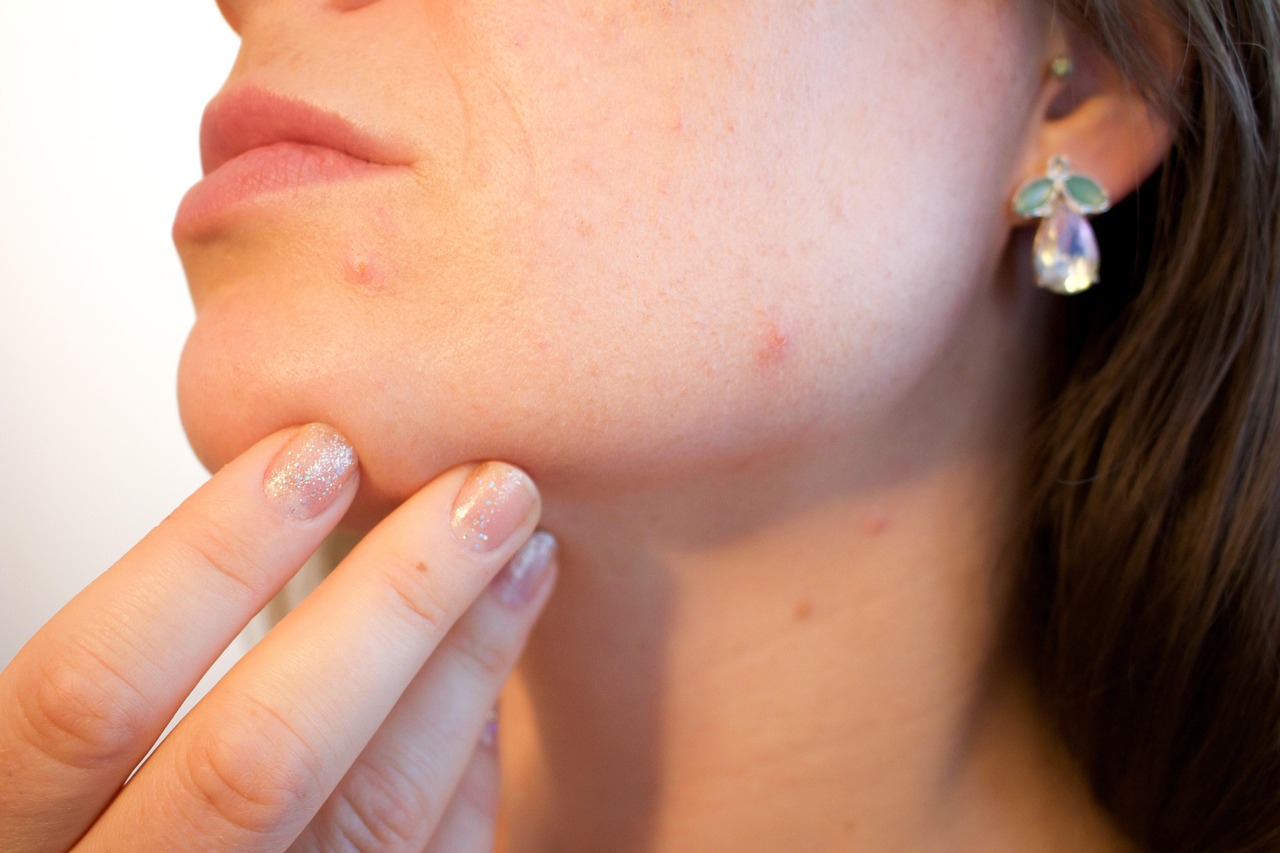
Expert Guide: How to Reduce Appearance of Acne Scars
Expert Guide: How to Reduce Appearance of Acne Scars
You finally get the breakouts under control, then the mirror shows something different. Little dents that catch the light. Pink or brown marks that linger long after the blemish is gone. Makeup sits unevenly, and every product promises a fix.
That’s where many people in Greenwood and the Indianapolis area get stuck. They’re not dealing with active acne the way they used to, but they’re still living with the aftermath. The advice online is all over the place. One person says exfoliate more. Another says leave it alone. Another recommends a harsh treatment that doesn’t fit sensitive skin at all.
As Clara, I want to make this simpler. Acne scarring can improve, but the right plan depends on what kind of mark you have, how reactive your skin is, and how willing you are to commit to consistent care over time. The roadmap isn’t the same for discoloration as it is for indented scars.
If you’re searching for how to reduce appearance of acne scars in Greenwood, Indiana, start with clarity instead of guesswork.
Your Roadmap to Smoother Skin After Acne
You clear the breakouts, catch your reflection in the car mirror, and still see uneven skin. The active acne is gone, but the reminder is not. That is the point where many Greenwood clients come to me, frustrated that they have been diligent with skincare and still do not feel comfortable in their skin.
The reason is usually simple. Different post-acne concerns need different tools. Brown or red leftover marks respond to a very different plan than indented scars, and treating both the same way wastes time, money, and sometimes your skin barrier.

For many adults in Greenwood, Indiana, the right plan also has to work with real life. You may want visible improvement without surgery, aggressive treatment, or recovery that keeps your skin irritated for days. That is why I recommend an integrated, non-invasive approach at A Touch of Claridy. Daily home care helps control pigment, inflammation, and barrier health. Professional treatments are used selectively to remodel texture and improve what products cannot reach on their own.
Practical rule: If a product promises to erase every type of acne scar, it is oversimplifying the problem.
I also want clients to understand the trade-off. Faster, more aggressive treatments can come with more downtime and a higher chance of irritation, especially in skin that marks easily. A steadier plan often asks for more patience, but it is usually the safer way to improve skin tone and texture together over time.
Results come from matching the scar type to the right combination of home care and in-studio treatment, then spacing those steps in a way your skin can tolerate. That is the Midwest approach I trust most. Practical, consistent, and built for long-term improvement rather than a short burst of intensity.
First Understand Your Scars What Are You Working With
If you want to know how to reduce appearance of acne scars, don’t begin with a product. Begin with classification.
The phrase “acne scars” is often used to describe everything left behind after a breakout. But there are two very different categories involved, and they don’t respond the same way.

Color changes are not the same as texture changes
Some marks are mostly pigment or redness. These are the spots that look pink, red, or brown after a blemish heals. They can be upsetting, but they are not the same as a true indentation in the skin.
Atrophic scarring is different. These are the indented scars that create uneven texture. They can look like tiny holes, wider-edged depressions, or soft rolling areas. The reason they’re harder to improve is simple. You’re not just fading leftover color. You’re trying to remodel skin structure.
A helpful way to think about it is this:
A mark is a stain.
A scar is a change in the surface itself.
Why this matters for your treatment plan
Indented scarring is “more complicated, as regular skin care is unlikely to make a significant difference.” By contrast, many post-acne pink or red marks fade naturally within 2 to 3 months, while atrophic scars usually need professional treatment over 6 to 12 months for significant improvement, as explained in Healthline’s review of pitted acne scars.
That one distinction prevents a lot of wasted time.
If your main issue is discoloration, your routine may focus on sun protection, calming inflammation, and gentle turnover. If your main issue is depressed texture, you’ll usually need collagen-stimulating procedures, repeated in a series, because no cream can lift an indentation the way skin remodeling can.
If your fingers can feel the change in texture, your plan has to address structure, not just surface tone.
A quick self-check before you book anything
Use natural daylight and ask yourself:
Does it look flat but discolored? You may be dealing mostly with post-acne marks.
Does foundation settle into it? Texture is likely part of the issue.
Do you see shadows from side angles? That often points to indented scarring.
Is your skin both marked and uneven? Many people need a mixed plan, not a single treatment.
Professional assessment matters because the treatment that helps one scar type can do very little for another.
Building Your At-Home Corrective Skincare Routine
A home routine sets the pace for everything else. In my treatment room in Greenwood, I often see clients using strong products with good intentions, then wondering why their skin stays red, flaky, and uneven. Corrective skincare works best when each step has a job and your skin can tolerate it week after week.
For acne-prone skin with marks or mild textural change, I build around three priorities: daily protection, measured cell turnover, and barrier repair. That balance matters because scar improvement is rarely about one hero product. It comes from reducing inflammation, preventing new discoloration, and keeping skin stable enough to respond well to treatment.
If you want help narrowing down options, our professional skincare product list for corrective home care is a useful starting point for acne-prone and reactive skin.
Protect your progress every morning
UV exposure can keep post-acne marks visible longer and make uneven tone harder to fade. Sun protection also matters if you are using retinoids, acids, or getting professional treatments, because those all increase skin sensitivity.
A practical morning routine is usually simple:
Gentle cleanse: Wash away oil and overnight residue without leaving skin tight.
Hydrating or calming product: Use ingredients that support the barrier, such as humectants or soothing moisturizers.
Broad-spectrum sunscreen: Apply every morning and reapply if you are outdoors.
Consistency matters more than complexity. A sunscreen you will wear every day is more useful than an expensive one that pills, stings, or sits in a drawer.
Use resurfacing with restraint
Many clients in Greenwood come in using an acid toner, a scrub, and a retinol in the same week, sometimes in the same night. That usually leads to irritation, not faster scar correction. Inflamed skin stays reactive. It can also leave behind more discoloration after breakouts.
At home, resurfacing should improve turnover without pushing the barrier past its limit. Retinoids can help with cell turnover and help soften the look of uneven texture over time. AHAs can be useful for dullness and lingering surface roughness. Neither should be piled on aggressively at the start.
A steady approach usually looks like this:
Retinoid on a few nights per week: Start slowly if you are new. Avoid layering it with other active products until your skin adjusts.
AHA on separate nights if needed: Use it for surface refinement only if your skin tolerates it well.
No harsh scrubs or cleansing brushes: Friction can prolong redness and keep skin irritated.
I tell clients this often. Calm skin makes better progress than overworked skin.
Support the barrier so corrective work can continue
Barrier care is what keeps a routine sustainable. If your skin burns when you apply moisturizer, feels tight after cleansing, or swings between dryness and breakouts, your corrective products may be outpacing your recovery.
Look for formulas that reduce water loss and help skin stay less reactive. Ceramides, glycerin, and niacinamide are common examples. The goal is not to chase every trending ingredient. The goal is to make your skin more predictable so you can stay consistent long enough to see change.
When barrier support is in place, clients often notice:
less stinging from active products
fewer flaky patches
better tolerance during a treatment series
steadier improvement in tone and texture
At-home care will not fill an indented scar on its own. It does improve the skin around that scar, reduce avoidable setbacks, and prepare you for stronger results when we combine home care with the right in-studio treatment plan.
Professional Acne Scar Treatments in the Indianapolis Area
A lot of Greenwood clients reach this stage feeling stuck. They have been consistent at home, their skin is calmer, and the discoloration may be lighter, but the shallow dents or uneven texture still catch the light. That usually points to a structural problem in the skin, not a routine failure.
For acne scarring, I compare professional options by the job each treatment does. Some treatments stimulate collagen. Some improve recovery between stronger sessions. Some help us keep breakouts, redness, and sensitivity from interfering with scar revision. That integrated approach matters more than chasing the most aggressive treatment on the menu.
Early in the process, it helps to compare common modalities visually.

Why collagen remodeling matters for indented scars
Indented acne scars improve when the skin is prompted to rebuild support underneath the surface. Microneedling, also called collagen induction therapy, creates controlled micro-injuries that signal repair. In practical terms, the goal is gradual remodeling, not a single dramatic event.
That is why microneedling is often one of the anchor treatments I recommend for atrophic scars in Greenwood clients. It addresses texture in a way topical products cannot, while keeping downtime more manageable than fully ablative procedures. For many people, that balance is what makes a treatment plan realistic enough to complete.
For clients considering local options, microneedling in Indianapolis for acne scar texture support is often part of a collagen-focused plan at A Touch of Claridy. AnteAGE microchanneling is one version of that strategy, pairing precise channel creation with growth-factor-based serums chosen to support healing and collagen activity.
A treatment series works better than a one-time appointment. Skin needs time to repair, lay down new collagen, and respond to repeated stimulation. I set expectations around progression, not instant perfection, because that is how scar revision works.
A brief overview can help if you want to see the procedure context before booking:
Where supporting treatments fit into a plan
Scar treatment is rarely just about the scar itself. In the Indianapolis area, many clients also come in with active congestion, post-acne redness, a reactive barrier, or skin that has been over-exfoliated for years. If I ignore those factors, even a strong collagen-stimulating treatment can underperform.
Here is how I use supporting modalities in a Midwest expert's integrated roadmap:
Cold plasma facials: A gentler option for clients who want steady skin refinement with little interruption to daily life.
Radiofrequency-based support: A good fit when textural concerns show up alongside mild laxity and the goal includes a firmer overall look.
LED therapy: Useful after corrective treatments when the skin needs calming support and less visible irritation.
Corrective facials: Helpful for managing congestion, maintaining skin clarity, and keeping the barrier in better shape between intensive sessions.
Each modality has a purpose. The right plan combines treatments because they solve different parts of the problem.
That matters with acne scars because scar patterns are rarely identical from one face to the next. Rolling scars, boxcar scars, red marks, enlarged pores, and sensitivity often overlap. A client with shallow rolling scars and frequent inflammation needs a different plan than someone with stable skin and deeper boxcar scarring. Good treatment selection starts with that distinction.
A Touch of Claridy's Non-Invasive Scar Treatments at a Glance
Treatment Best For Expected Downtime Sessions Needed Microchanneling or microneedling Indented acne scars and textural irregularity Short downtime, often a few days depending on skin response Usually done as a series Cold plasma facial Clients wanting gradual refinement with a gentle feel Minimal downtime Best when repeated consistently Radiofrequency support Texture concerns paired with skin laxity Varies by treatment intensity Usually part of a broader plan LED therapy Recovery support and calming reactive skin Minimal to none Often added between corrective sessions Corrective facials Congestion, tone maintenance, and barrier support Minimal Ongoing based on skin needs
The trade-off is practical. More intensive treatments can push faster change for some scar types, but they also tend to bring more downtime, more strict aftercare, and less margin for a compromised barrier. Many Greenwood clients want a non-invasive plan that respects sensitive skin and still produces meaningful long-term improvement.
Your Treatment Timeline and Realistic Expectations
This is the part many people want me to answer first. How long will it take?
The honest answer depends on whether you’re treating marks, indented scars, or a combination. But realistic expectations are part of good treatment, not an obstacle to it.
What changes first
In a well-built plan, the earliest changes are often the simplest ones. Skin may feel smoother before it looks dramatically different in photos. Redness may calm before deeper texture softens. Pores may appear more refined before rolling scars change appreciably.
If your main concern is post-acne pink or red marks, those may fade naturally over a period of 2 to 3 months. If your concern is atrophic scarring, meaningful change usually requires professional intervention over 6 to 12 months, as noted earlier in the discussion of scar type differences.
That’s why I encourage clients not to judge a scar plan too early. Collagen remodeling is gradual.
Why one treatment rarely does enough
A one-and-done mindset doesn’t fit acne scar revision. Professional collagen-building works in stages, and home care keeps those gains from being undermined by irritation, UV exposure, or ongoing congestion.
A realistic pattern often looks like this:
Month one: Calm the skin, simplify home care, stop over-exfoliating.
Early treatment phase: Begin a measured series for texture if indented scars are present.
Mid-course: Reassess what’s improving first, usually tone, surface smoothness, or overall refinement.
Longer course: Continue remodeling work for areas that are deeper or more tethered.
The win isn’t perfection. The win is skin that looks smoother, reflects light more evenly, and no longer pulls your attention to the same spots every day.
Steady improvement beats chasing a quick fix that leaves the skin inflamed.
Begin Your Journey to Clearer Skin in Greenwood
If you’ve been trying to figure out how to reduce appearance of acne scars on your own, you don’t have to keep guessing. The right plan starts by identifying whether you’re dealing with leftover discoloration, true textural scarring, or both.
That distinction affects everything. It changes what you do at home, what should be left to a professional, and how long you should reasonably expect the process to take. It also helps you avoid spending months on products that were never designed to address the type of scar you have.
For clients in Greenwood, Indiana and nearby Indianapolis neighborhoods, a consultation can make the process feel much more manageable. Instead of buying another random product or trying another harsh trend, you get a treatment path based on your skin’s condition, your sensitivity level, and your schedule.
If you’re ready for that next step, you can book an acne scar consultation online. The studio is located at 430 N. Madison Ave., Suite 1, Greenwood, IN, making it a convenient option for local clients who want non-invasive, corrective skincare support close to home.
Clearer, smoother-looking skin usually starts with a plan that makes sense.
Frequently Asked Questions About Acne Scar Treatment
Can acne scars be completely removed
It’s better to think in terms of significant improvement rather than total erasure. Many scars can look much softer and less noticeable, but expecting skin to look like the acne never happened usually creates disappointment.
Do microneedling or microchanneling treatments hurt
Most professional protocols use topical numbing before treatment. During microneedling, the sensation is usually manageable, and post-treatment redness typically settles over the following days. Comfort also depends on treatment depth and your skin sensitivity.
What if I still have active acne
That changes the order of operations. If new breakouts are still happening regularly, the first priority is calming and stabilizing the skin so you’re not trying to revise scars while creating new inflammation.
Is at-home care enough for indented scars
Usually not. Home care supports the process, but indented scars are structural. Daily skincare can improve overall skin quality, yet true texture revision usually needs in-studio collagen-stimulating treatment.
How do I know which treatment fits my skin
That depends on scar type, sensitivity, downtime tolerance, and whether your main concern is texture, discoloration, or both. A good consultation should separate those issues clearly and recommend a sequence, not just a single service.
Are non-invasive options worth it
For many people, yes. If you want gradual, natural-looking improvement with less downtime and a skin-health-focused approach, non-invasive care can be a strong fit.
If you’re ready for a personalized plan, A Touch of Claridy offers corrective skincare consultations for clients in Greenwood and the Indianapolis area who want a thoughtful, non-invasive approach to acne scar improvement.


Licensed esthetician
Clara D-Smith
About Clara
Let me introduce myself if you don't know me, I'm Clara. Wife, mom, aesthetician, makeup artist (special Occasion and permanent), and business owner.
Married to a wonderful man named Michael whose blessed me with three beautiful children! Elijah, Micaiah and Eliana. Yes busy, but joyfully loving Life...in abundance.
Always being attracted to beauty and color, I love anything that allows me to be creative, help others and shine! So, let me help YOU shine with almost 20 years of experience in beauty, skincare, makeup and anything I like to "touch".
#atouchofclaridy
of Indianapolis is here for you!
Contact Us
We'd Love To Hear From You

Copyright 2025 A Touch of Claridy